
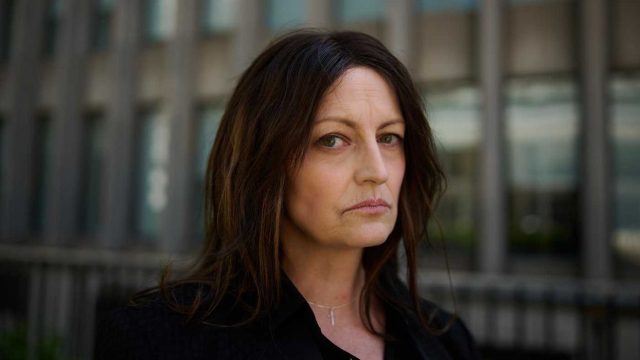
The recent ruling by an Ontario court has generated significant media attention and public discourse. Claire Brosseau, a 49-year-old resident of Toronto, sought to apply for Medical Assistance in Dying (MAID) on the grounds of her mental illness. However, her application was denied based on existing legal frameworks which do not currently permit MAID applications solely for mental health conditions. Brosseau's case highlights a critical gap in the law, which many argue fails to recognize the autonomy and rights of individuals suffering from mental health issues.
Under Canada's current MAID legislation, eligibility is primarily focused on physical health conditions. This restriction has sparked a broader debate about fairness and equality in access to assisted dying for individuals with mental health diagnoses. Advocates argue that mental health should be treated on par with physical health, as both can lead to significant suffering.
This ruling raises essential questions about how society values the lives of those with mental illness. Brosseau's statement following the decision expressed frustration and highlighted that it reinforces a notion of inequality. As mental health awareness continues to grow, the implications of this decision resonate deeply within communities, especially in regions like Southeast Asia, where mental health issues are often stigmatized and under-addressed.
In places like Indonesia and across the ASEAN region, discussions about mental health rights and legislative reform are ongoing. The contrast between countries that have advanced mental health policies and those where such issues remain largely unaddressed is stark.
The response to the court's decision has been mixed, with many advocating for legal reforms to address the rights of individuals with mental illness. Advocacy groups have emphasized the need for a more compassionate approach to mental health, arguing that legal frameworks must evolve to reflect the complexities of mental suffering. The dialogue surrounding MAID for mental health conditions is likely to continue, and future court cases may further clarify or challenge the existing laws.
Organizations advocating for mental health rights are expected to play a crucial role in shaping future legislation. Their efforts could lead to a more inclusive understanding of MAID that considers mental health conditions on equal footing with physical ailments.
As society grapples with the implications of the Ontario court's decision, it becomes increasingly evident that discussions around MAID and mental health will require nuanced understanding and empathy. The case of Claire Brosseau serves as a poignant reminder of the ongoing struggle for equality in health care rights. Advocates hope that this dialogue will pave the way for necessary legal reforms, ensuring that all individuals, regardless of their health status, have equal rights and access to care.
